

2001: A Space Odyssey Presents Some Daring Questions
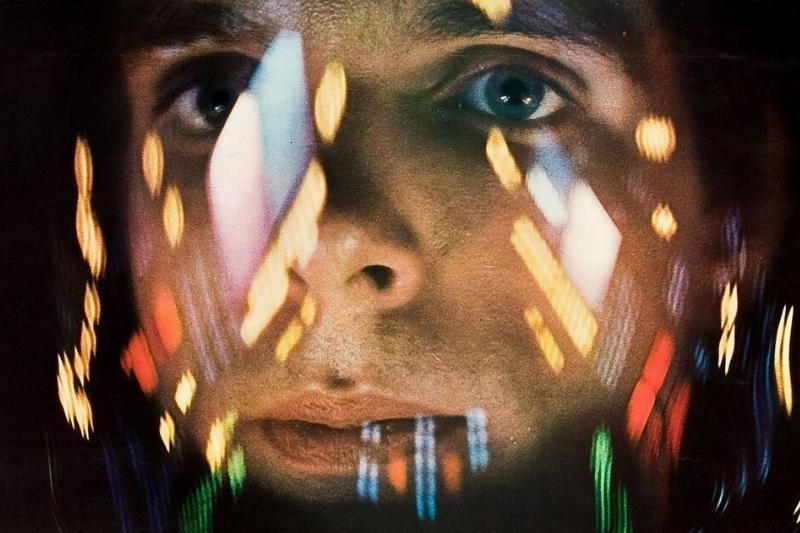
Inspired by Arthur C. Clarke’s short story “The Sentinel,” Stanley Kubrick’s 2001: A Space Odyssey presents a groundbreaking vision of humanity’s relationship with technology and the universe. The film follows a mission to Jupiter involving astronauts and the advanced artificial intelligence system HAL 9000, following the discovery of a mysterious black monolith believed to be connected to the evolution of human intelligence. While the narrative itself is captivating, the film’s true strength lies in its scientific precision and its exploration of profound ideas surrounding human development, artificial intelligence, existence, and space exploration.
Recognized as a revolutionary achievement in visual effects, 2001: A Space Odyssey created a remarkably realistic portrayal of space through innovative filmmaking techniques, minimal dialogue, and carefully designed sound. Its artistic ambition and philosophical depth have earned it a place on countless lists of the greatest films ever created, with many considering it one of the most influential works in cinematic history.